The Lyme Regis find
A skull, a sister, and two official years
The Jurassic Coast is “a stretch of coastline covering around 150 kilometres of southern England,” and “perhaps the most famous site for ichthyosaur fossils in the UK.” Official pages tell the Anning story more than once, and they do not all use the same year.[source]
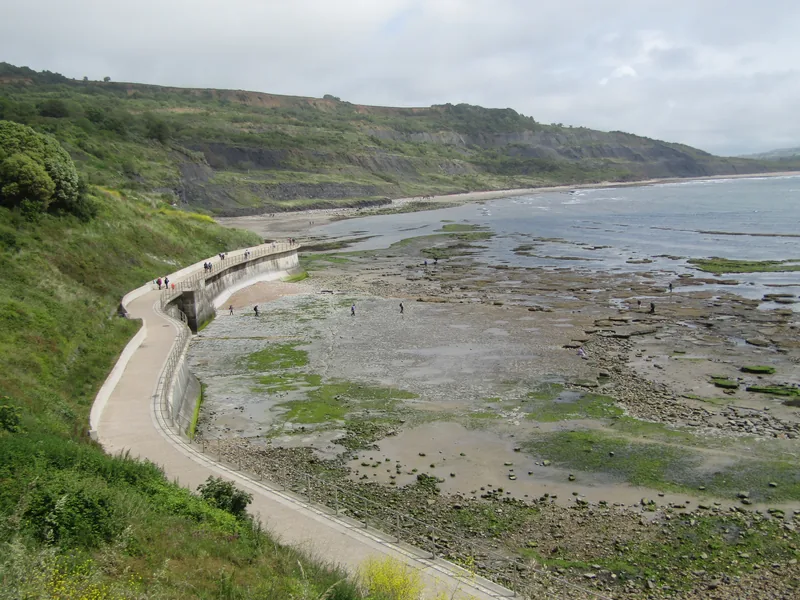
A Natural History Museum collection page is specific: “Skull of the ichthyosaur Temnodontosaurus platyodon, the first ever discovered. Mary Anning’s brother Joseph found the skull in 1810 and Mary found parts of the neck a year later.” The same page lists, among gallery highlights, “the first ichthyosaur skull, now called Temnodontosaurus platyodon, discovered in 1810.”[source]
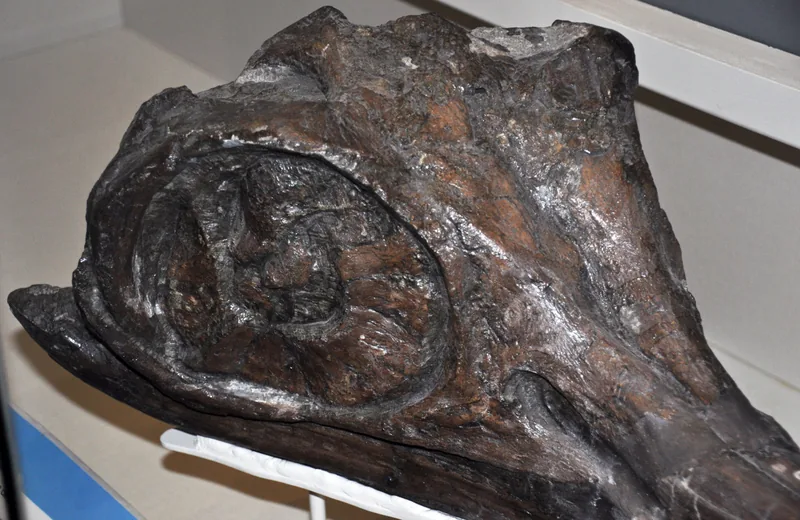
A discover page tells it this way: “This only began to change in 1811, when a 15-year-old boy called Joseph Anning stumbled upon an ichthyosaur skull near Lyme Regis on the coast of southern England. A year later, his sister Mary returned to the same site and began to excavate the rest of the skeleton.” “This ichthyosaur skull, from the species Temnodontosaurus, was the first to be studied by scientists after being excavated by Joseph and Mary Anning.” “By early 1813, this work had paid off. Mary Anning’s ichthyosaur was the first largely complete specimen to be uncovered.” It “caused a sensation after it was studied by Sir Everard Home in 1814.”[source]
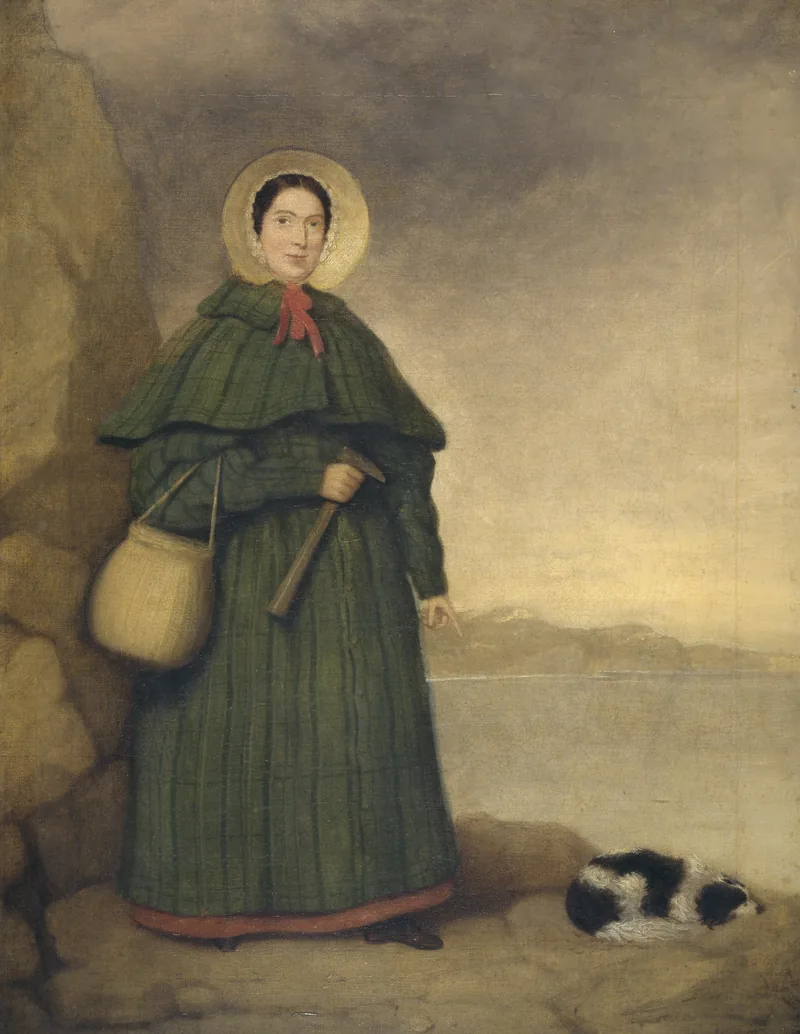
The Mary Anning page gives a third careful wording: “In the autumn of 1811, when Mary was 12, Joseph found a strange-looking fossilised skull. About a year later, in November 1812, Mary searched for and painstakingly dug the outline of its five-metre-long skeleton. By the time she was done, several months later, everyone in town thought that she’d discovered what must have been a monster. Scientists thought it was a crocodile.”[source]
This site does not pick a winning year. Joseph’s skull is dated 1810 on the collection page, and 1811 on the discover page and the Mary Anning page. Joseph is “a 15-year-old boy” on the discover page; Mary is 12 on the Anning page. What Mary found is “parts of the neck a year later” on the collection page; “the rest of the skeleton” and, by early 1813, “the first largely complete specimen” on the discover page; and a November 1812 “five-metre-long skeleton,” finished “several months later,” on the Mary Anning page. Each wording stays with the page that wrote it.[source][source][source]
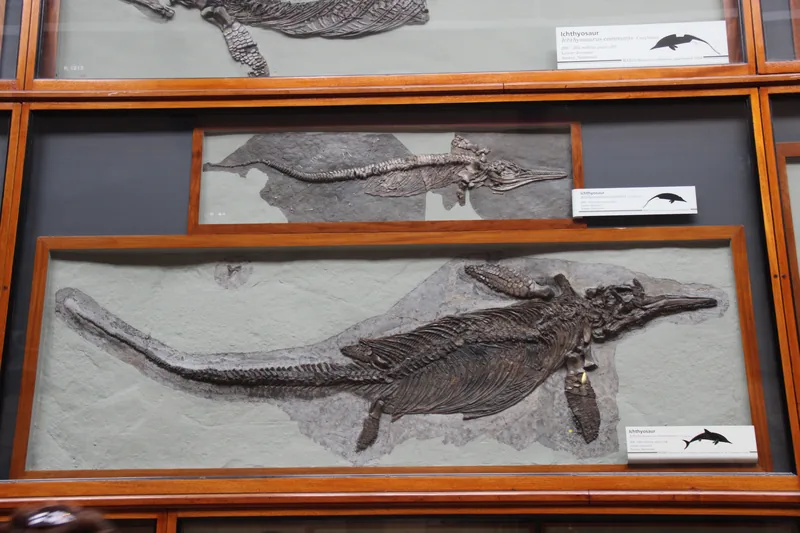
The Mary Anning page adds that “although this wasn’t the first ichthyosaur to be found, it was the first to be scientifically studied and described in literature.” “It lived 201-194 million years ago.” That range stays with this animal, and is not blended with a collection-page date of 205–180 million years for a German specimen of Ichthyosaurus acutirostris.[source][source]
Enjoyed this sea-dragon desk?
No pop-ups. No intrusive advertising. Just interesting stuff. A little support helps the next fossils.im site get built.